
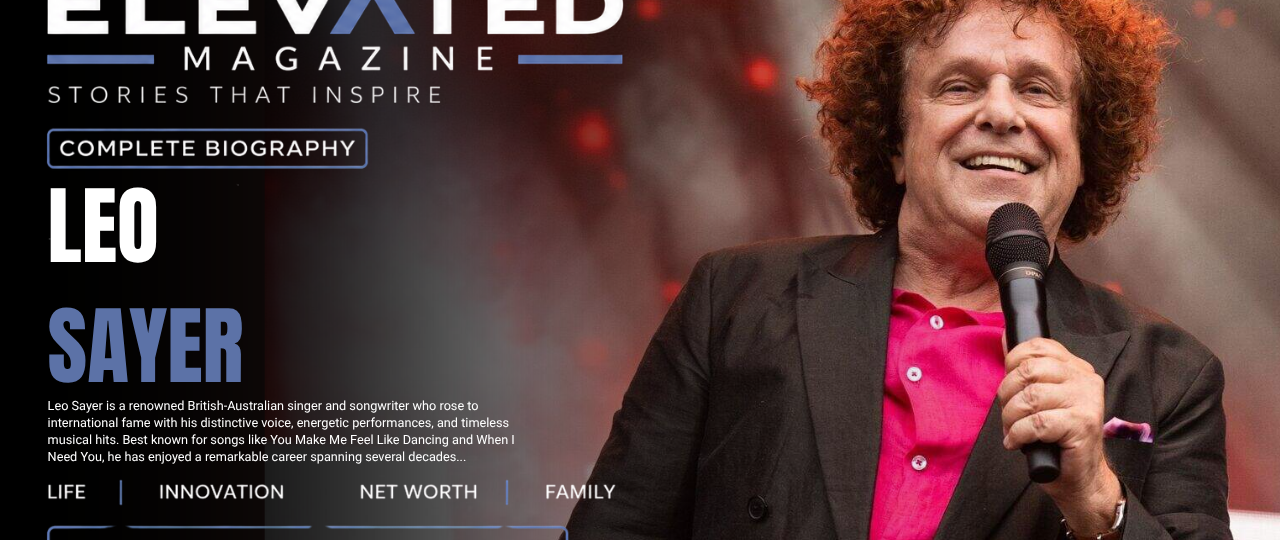

Leo Sayer’s career has lasted far longer than the era that first made him famous. From the infectious energy of You Make Me Feel Like Dancing to the emotional pull of When I Need You, the British-born singer and songwriter built a catalogue of songs that continued to find audiences decades after their original release.
That longevity is central to understanding Leo Sayer’s net worth. His financial story isn’t simply about the money earned when his records topped the charts in the 1970s. It also involves songwriting, music royalties, live performances, later chart revivals and the continued popularity of recordings that have become part of pop music history.
There is, however, an important distinction between his commercial success and his personal fortune. Although celebrity websites publish estimates of Sayer’s wealth, an independently verified statement of his current net worth isn’t publicly established. Any figure should therefore be treated as an estimate rather than a confirmed financial fact.
Sayer’s career offers a more useful starting point than an unsupported dollar amount. His rise from a young songwriter in Sussex to an internationally successful recording artist, followed by decades of performances and renewed interest in his music, helps explain how he may have accumulated and maintained his wealth.
Leo Sayer Net Worth: What Is His Estimated Fortune?
Public estimates of Leo Sayer’s net worth vary, and there isn’t enough publicly verified financial information to establish an exact total for his assets, investments, property and liabilities.
Some celebrity-finance websites publish multimillion-pound or multimillion-dollar estimates. One online estimate, for example, places his wealth at approximately £15 million, but the underlying financial records needed to independently verify that figure aren’t provided. It should not be presented as an official valuation.
A more responsible assessment considers the principal sources of income associated with his documented career: record sales, songwriting, music publishing, royalties, concert appearances and the commercial reuse of his songs.
These activities can generate income over many years, but their individual financial contributions aren’t publicly established in Sayer’s case.
His catalogue includes major international hits, and his official biography documents a career spanning multiple decades, including renewed success in the 2000s and later album releases. That history provides a credible explanation for his potential earning power without requiring an invented financial breakdown.
Not independently verified
Public estimates include figures in the multimillion-pound range, but no authoritative public financial statement establishes Sayer’s exact wealth.
Music royalties and publishing
Potential long-term income from recordings and songwriting, subject to ownership and contractual arrangements.
Live performances
Concerts and touring across different stages of his career.
Recording and catalogue activity
Album releases, compilations, reissues and renewed interest in established hits.
The distinction matters because lifetime career earnings aren’t the same as net worth. An artist may generate substantial revenue while also paying touring expenses, musicians, management, taxes, production costs and other professional expenses. The value of a music catalogue also depends on rights ownership, licensing arrangements and the income it continues to generate.
For Sayer, the strongest conclusion is that his long recording and performing career provides several plausible sources of wealth, while the precise size of his personal fortune remains unconfirmed.
Who Is Leo Sayer?
Leo Sayer is an English-born singer and songwriter whose full birth name is Gerard Hugh Sayer. Born on 21 May 1948 in Shoreham-by-Sea, Sussex, England, he became one of the recognisable pop performers of the 1970s.
His best-known recordings include You Make Me Feel Like Dancing, When I Need You, More Than I Can Say and The Show Must Go On. He became an Australian citizen in 2009 and has maintained a career that extends well beyond his original chart successes.
Sayer is particularly interesting because he has worked in several parts of the music business. He has performed as a solo artist, written songs for other performers, recorded albums in different musical styles and returned to the charts through a dance remix of one of his earlier songs.
His career isn’t limited to a short burst of 1970s nostalgia. His official biography documents decades of recording, touring and creative work, while his current concert listings show that he remains active onstage in 2026.
Leo Sayer biography at a glance
| Detail | Information |
|---|---|
| Full name | Gerard Hugh Sayer |
| Professional name | Leo Sayer |
| Date of birth | 21 May 1948 |
| Age | 78 as of 9 October 2026 |
| Birthplace | Shoreham-by-Sea, Sussex, England |
| Nationality | British-born; Australian citizen since 2009 |
| Profession | Singer and songwriter |
| Genres | Pop, soft rock, disco and soul-influenced music |
| Career began | Early 1970s |
| Famous songs | You Make Me Feel Like Dancing, When I Need You, More Than I Can Say |
| Grammy recognition | Grammy winner for You Make Me Feel Like Dancing |
| Current partner/spouse | Donatella Piccinetti; reported married in April 2023 |
| Children | No publicly confirmed children identified in the biographical sources consulted |
| Net worth | Exact figure not publicly verified |
The biographical details above draw on Sayer’s official biography, the UK Official Charts Company and Australian public broadcasting coverage.
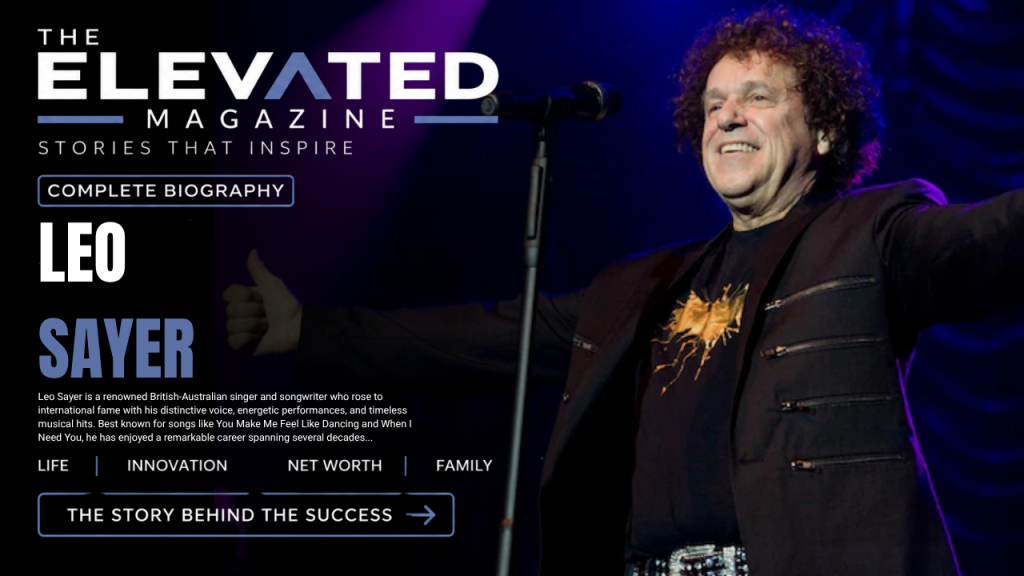
Early Life: The Making of a Singer and Songwriter
Sayer’s story began in Sussex, long before the recording contracts and international tours. According to his official biography, he was born to Thomas Sayer and Teresa Nolan and grew up with an older sister, Kathleen, and a younger brother, Brian.
Music became part of his life early. As a boy, he sang in a church choir, and his official biography credits a parish priest, Father Dermot MacHale, with helping him develop his voice. That early experience provided a foundation for a singer whose later performances would combine theatrical expression with a distinctive high-register vocal style.
His interests weren’t limited to music. Sayer showed an aptitude for drawing and painting at school before studying commercial art and graphic design at West Sussex College of Art and Design in Worthing.
That background adds an interesting dimension to his later career. Sayer wasn’t simply a vocalist waiting to be discovered; he was a young creative person exploring different ways to express himself. His early visual-art interests also fit with the theatrical image he initially adopted when entering the music business.
He was influenced by the records he heard as a teenager, including music by Buddy Holly and Elvis Presley, as well as Bob Dylan. Rock and roll gave him an entry point, while songwriting offered a way to develop a musical identity of his own.
The financial significance of this period is straightforward: there was no established celebrity fortune at the beginning. Sayer had to turn his artistic interests into a sustainable profession. The more consequential steps came when his songs attracted the attention of established music-industry figures.
Career Beginnings: From Songwriter to Recording Artist
Sayer’s early professional development was closely connected to fellow songwriter and musician David Courtney. The pair worked on songs together and formed a group called Patches, helping Sayer move from his initial artistic ambitions towards a professional recording career.
A significant turning point came through Adam Faith, the British singer and actor who became Sayer’s manager. Faith recognised the potential in the material Sayer and Courtney were creating and helped open doors within the recording industry.
One of the earliest important developments involved Roger Daltrey, the lead singer of The Who. Daltrey recorded songs written by Sayer and Courtney for his solo album Daltrey, released in 1973. The song Giving It All Away became a hit, bringing wider attention to Sayer as a songwriter before his solo career had fully taken off.
That distinction matters when considering Sayer’s wealth. Writing songs for another artist can create professional opportunities beyond performing one’s own material. It can also generate songwriting income, depending on the composition credits, publishing arrangements and rights retained.
Sayer soon secured recording deals and began releasing his own music. His debut album, Silverbird, arrived in 1973, and The Show Must Go On helped establish his name as a solo performer.
His early public image was deliberately theatrical. He appeared in Pierrot-inspired makeup and costume, using a recognisable stage character to distinguish himself from other singers. As his confidence grew, he gradually moved away from that look, allowing his voice and songs to carry more of the identity.
The breakthrough wasn’t just about appearance. It was the combination of original material, an identifiable performance style and a team capable of bringing the music to a wider audience.
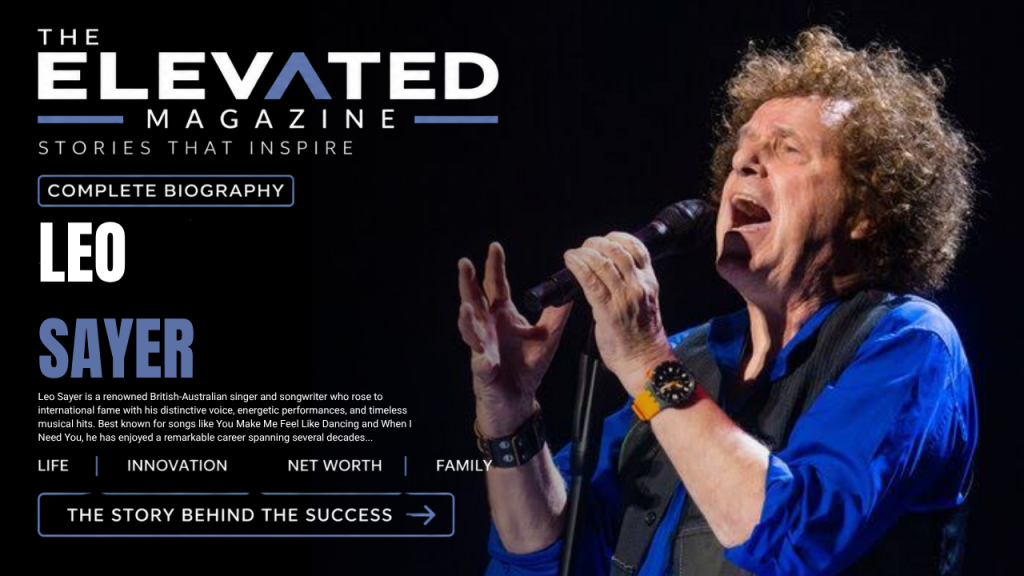
The 1970s Breakthrough That Changed His Financial Prospects
The 1970s were the defining decade of Sayer’s commercial career. His early singles gained traction in Britain and overseas, while albums such as Just a Boy and Endless Flight helped establish a broader audience.
Long Tall Glasses (I Can Dance) became an important international hit, demonstrating that Sayer could move beyond the British market. It also helped introduce listeners to the mixture of pop melody, rhythmic drive and expressive vocals that would become his signature.
The real commercial peak arrived with Endless Flight, released in 1976. The album included You Make Me Feel Like Dancing and When I Need You, two songs that reached far beyond the United Kingdom.
You Make Me Feel Like Dancing became a major international success and won the Grammy Award for Best R&B Song at the 20th Annual Grammy Awards in 1978. When I Need You, written by Albert Hammond and Carole Bayer Sager, became another major hit, reaching No. 1 in both the UK and US singles charts.
These successes helped turn Sayer into an internationally marketable performer. The songs were accessible enough for mainstream radio but distinctive enough to remain associated with his voice.
His commercial position also expanded through television appearances, international touring and further releases. His official biography describes extensive touring across Europe, Australia, New Zealand, North America and other markets during this period.
For an artist’s finances, this kind of success can have several effects. Hit singles can increase demand for albums, live appearances and television bookings. Successful albums can also keep older tracks commercially relevant through compilations and later reissues.
But a hit record doesn’t automatically translate into a known personal fortune. The financial result depends on contracts, royalties, management fees, expenses and rights ownership. Sayer’s success establishes the scale of his professional opportunities, not a precise total of what he personally retained.
The Songs That Helped Build Leo Sayer’s Career
1. You Make Me Feel Like Dancing
Released in 1976, the song became one of Sayer’s defining recordings. Its upbeat rhythm and memorable chorus helped it cross national boundaries, while its Grammy recognition strengthened his standing in the American music industry.
2. When I Need You
This romantic ballad revealed a softer side of his repertoire. Its international chart success expanded his audience beyond fans drawn primarily to his more energetic performances.
3. Long Tall Glasses (I Can Dance)
The track helped establish Sayer in the United States and showed how his theatrical performance style could work alongside a lively pop-rock arrangement.
4. More Than I Can Say
Sayer’s 1980 recording of the song, originally written by Sonny Curtis and Jerry Allison, became another international hit and demonstrated his ability to maintain chart success into a new decade.
These recordings are among the most useful reference points for understanding Sayer’s lasting commercial appeal. They also illustrate the different ways a catalogue can remain relevant: upbeat dance-pop, romantic ballads and familiar songs that audiences continue to request at live performances.
Leo Sayer’s Income Sources: How His Music Can Continue to Earn
When assessing Leo Sayer’s estimated fortune, it helps to look at how established recording artists generate income throughout a long career. Several revenue streams are relevant to his work, although their exact value to him isn’t publicly disclosed.
1. Music royalties and streaming
A well-known song can continue generating revenue long after its original release. Recordings may be streamed, purchased digitally, included in compilations or licensed for use in films, television programmes and advertisements.
Sayer’s catalogue includes recognisable hits that have remained in circulation for decades. His official biography also records the use of You Make Me Feel Like Dancing in the 2000 film Charlie’s Angels, illustrating how an older recording can find new audiences through a later release.
However, there is an important distinction between recording royalties and songwriting royalties. The person who owns a master recording may receive income from that recording, while the songwriters and publishers may receive separate payments connected to the underlying composition. The division depends on the relevant rights and contracts.
It would be inaccurate to assume that Sayer receives every dollar generated whenever one of his songs is played.
2. Songwriting and music publishing
Sayer developed his career as both a performer and a songwriter. His work with David Courtney and his early association with Roger Daltrey demonstrate that songwriting was an important part of his professional identity from the beginning.
Songwriting can create a different kind of long-term earning opportunity from performing alone. A composition may be recorded by another artist, performed publicly, broadcast or licensed for commercial use. Where the songwriter retains relevant rights, those activities can produce income over time.
Sayer’s catalogue and songwriting credits make publishing a relevant part of any discussion of his potential wealth. Nevertheless, public biographies don’t provide a complete account of his current publishing agreements, ownership percentages or royalty statements.
Consequently, the contribution of songwriting to his net worth can’t be calculated reliably from the available public information.
3. Concerts and live performances
Live music has been a consistent part of Sayer’s career. He toured extensively during his peak years and continued performing after his original chart dominance faded.
His official concert listings show a substantial UK run in October and November 2026 under the Can’t Stop Loving You tour. The tour has been described by venues and promoters as his final full UK tour, with Sayer clarifying that he intends to reduce the number of performances rather than retire completely.
Concert revenue depends on several variables, including ticket sales, venue capacity, ticket prices, production costs, musicians’ fees, travel and the terms of the performance agreement. Publicly advertised ticket prices aren’t equivalent to an artist’s personal earnings.
Still, the ability to sell tickets decades after an artist’s biggest hits can be commercially valuable. For Sayer, live performance connects the enduring appeal of his catalogue with a continuing professional activity.
4. Albums, compilations and reissues
Sayer’s discography spans studio albums, live recordings and compilations. His official biography documents releases across several decades, including Restless Years in 2015 and Northern Songs in 2022. The latter presented his interpretations of music by The Beatles.
Albums and compilations can help introduce established songs to new listeners. A retrospective release may also bring renewed attention to an artist’s broader body of work.
The financial outcome depends on the commercial terms of each release, the ownership of the recordings and the costs associated with producing and distributing the music. A large discography is evidence of sustained creative activity, but it isn’t a direct measure of net worth.
5. Television, media and other professional appearances
During his commercial peak, Sayer appeared on major television programmes in Britain and the United States. His official biography records appearances on programmes hosted by Johnny Carson, Dinah Shore and other well-known broadcasters, as well as his own BBC television special.
Television appearances can support an artist’s visibility, help promote records and create opportunities for further bookings. Depending on the arrangement, they may also generate direct fees.
There is no reliable public breakdown of Sayer’s lifetime television income, endorsement earnings or other appearance fees. These should therefore be regarded as possible elements of his professional income rather than assigned invented dollar values.
Did Leo Sayer Face Financial Difficulties?
A complete account of Sayer’s career needs to recognise that commercial success doesn’t always bring financial security.
In a 2016 interview with Rock Cellar Magazine, Sayer discussed a serious dispute involving a former manager and the sale of his catalogue. He alleged that the manager had misrepresented his intentions and used forged signatures in the process. Sayer described the experience as a major betrayal and credited his partner, Donatella, with helping him regain control of his career.
These are Sayer’s reported allegations in an interview, not a complete independently verified financial or legal record. They shouldn’t be used to assert a specific amount of money lost or recovered.
The episode nevertheless highlights an important aspect of musicians’ finances: control over intellectual property can matter as much as the number of records sold. A catalogue may be valuable, but its financial benefit depends on who owns the relevant rights and who receives the proceeds.
Artists also operate within a complicated commercial structure involving managers, record companies, publishers, agents and legal representatives. Contracts signed early in a career can affect income for years.
For Sayer, the reported dispute adds context to his financial story. It reinforces why a net-worth estimate based only on chart positions or album sales can be misleading.
The 1980s and 1990s: Career Changes Beyond the Peak
After his extraordinary run of 1970s hits, Sayer faced the challenge that confronts many pop performers: musical tastes changed, new artists entered the market and the commercial conditions that had supported his early success evolved.
He continued recording and performing. His 1980 hit More Than I Can Say gave him another major international success, while his later albums explored different production styles and musical directions.
His official biography describes a period of professional difficulty following his separation from long-time manager Adam Faith and his departure from Chrysalis Records in 1987. During the late 1980s, Sayer toured again and worked towards a new recording deal. Cool Touch, released in 1990, explored disco and soul influences but didn’t reproduce the commercial impact of his earlier records.
The 1990s brought renewed attention to his older hits. Best-of collections and live performances helped maintain his connection with audiences who remembered the original recordings.
This stage of his career is important because it shows that longevity isn’t always a straight line of rising earnings. A performer can move from chart success to quieter periods, then find new opportunities through touring, reissues and changing audience tastes.
For Sayer, the catalogue remained a source of identity and opportunity even when the singles charts no longer placed him at the centre of mainstream pop.
The 2000s Comeback: A New Generation Discovers Leo Sayer
One of the most striking chapters in Sayer’s later career came in 2005, when DJ Meck reworked Thunder in My Heart into Thunder in My Heart Again.
The remix reached No. 1 on the UK singles chart, giving Sayer another chart-topping moment decades after his first major run of hits. The UK Official Charts Company identifies the release as his second UK No. 1 single.
The success demonstrated how older songs can find new commercial life when reinterpreted for a different musical environment. Dance music introduced Sayer’s work to listeners who might not have been familiar with his original 1970s releases.
From a financial perspective, a successful remix can create new activity around an existing composition or recording. It may bring fresh attention to the original, increase demand for performances and prompt audiences to revisit the artist’s wider catalogue.
The precise financial effect depends on the agreements between the parties involved, including the rights to the original recording, the remix and the underlying song. A chart-topping remix doesn’t establish how much Sayer personally earned.
Its broader significance is clearer: the comeback extended his visibility and reinforced the durability of his best-known material.

Leo Sayer’s Personal Life, Marriage and Family
Sayer’s personal life has sometimes attracted attention alongside his career, but the publicly documented facts are more useful than speculation about his private finances or relationships.
He married Janice in 1973, during the period when his career was gaining momentum. His official biography describes their years of international travel and the pressures of a demanding touring schedule. The marriage later ended in divorce.
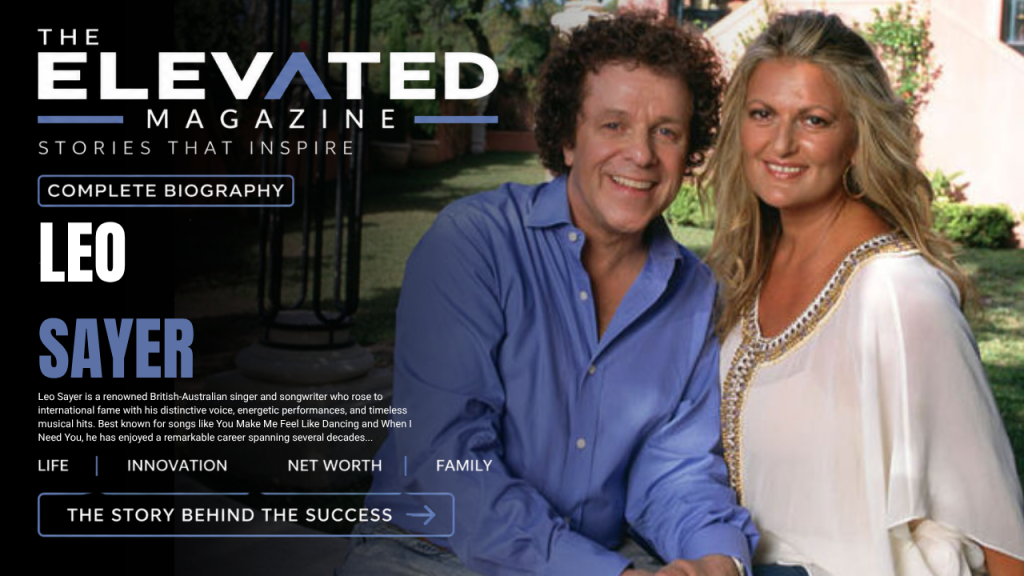
Sayer subsequently became involved with Donatella Piccinetti, who has been a long-term partner and an important presence in his life. An ABC interview in November 2023 discussed his relationship with Donatella and the couple’s marriage that year. Biographical reporting gives the marriage date as 15 April 2023.
His relationship with Donatella also has a professional dimension. In his 2016 interview with Rock Cellar Magazine, Sayer described her role in helping him through the reported management and catalogue dispute.
Beyond these established details, there is no need to speculate about private assets, family arrangements or how wealth may be shared within the relationship. Those matters cannot be reliably inferred from a person’s career earnings.
Why People Search for Leo Sayer’s Net Worth
Several factors help explain the continued interest in Sayer’s finances.
First, his most famous songs remain recognisable. Listeners who discover When I Need You or You Make Me Feel Like Dancing may want to know what happened to the performer behind them and how a career built on such hits developed over time.
Second, his longevity raises a natural financial question. Sayer has worked across multiple decades, and his career includes songwriting, albums, live appearances and a later chart comeback. People reasonably wonder how an established artist earns money after the era of regular chart success.
Third, renewed live activity brings him back into public view. His 2026 UK tour is a concrete reason for audiences to revisit his career, although it doesn’t establish that searches for his net worth have themselves reached a particular trend level.
Finally, the internet often makes celebrity wealth look more certain than it is. A search may produce several figures in different currencies, each presented as if it were definitive. Without audited financial statements or reliable reporting on assets and liabilities, those numbers are best treated cautiously.
Sayer’s story is compelling even without a precise valuation. The more meaningful question is how a collection of enduring songs, decades of work and a continuing relationship with live audiences can sustain a long professional life.
Leo Sayer’s Career Timeline
The following timeline highlights the major developments that shaped Sayer’s career and commercial opportunities.
| Year | Career milestone |
|---|---|
| 1948 | Born Gerard Hugh Sayer in Shoreham-by-Sea, Sussex |
| 1973 | Released his debut album, Silverbird, and gained attention through The Show Must Go On |
| 1974 | Just a Boy strengthened his profile as an international performer |
| 1976 | Released Endless Flight, featuring You Make Me Feel Like Dancing |
| 1977–1978 | When I Need You achieved major chart success; Sayer won a Grammy for You Make Me Feel Like Dancing |
| 1980 | More Than I Can Say became another major international hit |
| 1990 | Released Cool Touch, exploring new musical directions |
| 2005 | Thunder in My Heart Again, the Meck remix, reached No. 1 in the UK |
| 2009 | Became an Australian citizen |
| 2015 | Released Restless Years |
| 2022 | Released Northern Songs, a collection of Beatles interpretations |
| 2023 | Married long-term partner Donatella Piccinetti |
| 2026 | Continued performing, with a major UK tour announced as his final full UK touring run |
Sources include Sayer’s official biography, the UK Official Charts Company, ABC reporting and current concert listings.
Confirmed Facts vs. Unverified Claims
| Claim | What the evidence supports |
|---|---|
| Leo Sayer’s birth date | Confirmed as 21 May 1948 |
| His Grammy recognition | Confirmed; he won for You Make Me Feel Like Dancing |
| His UK chart success | Documented by the Official Charts Company |
| His Australian citizenship | Confirmed in January 2009 |
| His marriage to Donatella | Reported in 2023 by biographical sources and ABC |
| His exact net worth | Not independently verified |
| His annual income | No reliable, comprehensive public figure established |
| The precise value of his music catalogue | Not publicly established in the sources consulted |
| A specific breakdown of royalties, property and investments | Not sufficiently documented to verify |
The distinction between a confirmed career milestone and an estimated financial figure is essential. Chart results, award records and public interviews provide evidence about Sayer’s work. They don’t reveal the full value of his assets or the amount of money he retains from each income source.
What Is Leo Sayer Doing Now?
As of October 2026, Sayer remains active as a live performer. His official website lists dates for the Can’t Stop Loving You UK tour, including performances scheduled for October and November. Venues and promoters describe the run as his final full UK tour, while also making clear that he isn’t announcing a complete retirement.
This distinction is worth understanding. Reducing the number of performances doesn’t necessarily mean abandoning music altogether. It can mean choosing a different balance between touring, recording and personal life.
His later work also demonstrates an ongoing interest in revisiting musical influences and familiar material. Northern Songs, released in 2022, reflected his long-standing appreciation of The Beatles, while his extensive back catalogue continues to provide material for live audiences.
For someone whose career began in the early 1970s, continued creative activity is itself a significant part of the story. Sayer has remained connected to the profession that made him famous rather than relying entirely on his historical reputation.
Interesting Facts About Leo Sayer
- His professional name has a story behind it. His official biography traces the name Leo to a nickname inspired by a cartoon character, Leo the Lion.
- He studied graphic design. Before his recording career took off, he pursued commercial art and graphic design.
- He wrote songs for Roger Daltrey. His early songwriting helped open doors before his own solo career reached its peak.
- He won a Grammy for a dance-oriented hit. You Make Me Feel Like Dancing received the Grammy for Best R&B Song.
- His music reached a new generation through dance music. The Meck remix of Thunder in My Heart returned him to the top of the UK singles chart in 2005.
- He became an Australian citizen. His connection with Australia dates back to his early touring years and culminated in citizenship in 2009.
- His later albums reflect varied interests. His releases include original songs and his interpretations of Beatles material.
Frequently Asked Questions
1. What is Leo Sayer’s net worth?
Leo Sayer’s exact net worth hasn’t been independently verified. Some celebrity-finance websites estimate his wealth in the multimillion-pound range, but those estimates aren’t supported by a complete public accounting of his assets, liabilities and income. His long career in music provides several plausible sources of wealth, including royalties, songwriting and live performances.
2. How did Leo Sayer make his money?
Sayer built his career through singing, songwriting, recording albums and performing live. His major hits established an international audience, while his work as a songwriter created additional professional opportunities. Later touring, compilations and the 2005 remix success of Thunder in My Heart extended his career beyond its original peak.
3. How old is Leo Sayer in 2026?
Leo Sayer is 78 years old as of 9 October 2026. He was born on 21 May 1948, meaning he celebrated his 78th birthday in May 2026.
4. What is Leo Sayer’s real name?
His full birth name is Gerard Hugh Sayer. He became professionally known as Leo Sayer during the early stages of his music career. His official biography explains that the name Leo was inspired by a cartoon character called Leo the Lion.
5. What is Leo Sayer most famous for?
He is best known for You Make Me Feel Like Dancing and When I Need You, both major international hits from the 1970s. Other familiar recordings include The Show Must Go On, Long Tall Glasses (I Can Dance) and More Than I Can Say.
6. Did Leo Sayer win a Grammy Award?
Yes. Sayer won the Grammy Award for Best R&B Song for You Make Me Feel Like Dancing at the 20th Annual Grammy Awards in 1978. The song remains one of his best-known recordings.
7. Is Leo Sayer married?
Yes. Leo Sayer married his long-term partner, Donatella Piccinetti, in April 2023, according to published biographical reporting. Before that, he was married to Janice, whom he married in 1973; their marriage later ended in divorce.
8. Does Leo Sayer have children?
The principal biographical sources consulted for this article don’t establish a publicly confirmed record of children. It is more accurate to describe that information as not publicly confirmed in the sources reviewed than to make an absolute claim about his private life.
9. Is Leo Sayer still performing?
Yes. His official concert listings include UK performances in October and November 2026. The announced run is described as his final full UK tour, but Sayer has indicated that he intends to slow down rather than retire completely.
10. Is Leo Sayer British or Australian?
Sayer was born in England and is British-born. He became an Australian citizen on 25 January 2009. His career and personal connection with Australia date back several decades, making both countries important parts of his public biography.
Final Thoughts
Leo Sayer’s financial story is best understood through the longevity of his music rather than a single internet estimate.
His breakthrough in the 1970s produced international hits, industry recognition and a catalogue that continued to attract listeners. Songwriting, live performance, later releases and the unexpected success of Thunder in My Heart Again gave his career further chapters long after his initial chart peak.
So, what is Leo Sayer’s net worth? An exact, independently verified figure remains unavailable. Multimillion-pound estimates circulate online, but they shouldn’t be mistaken for confirmed financial records.
What can be established is that Sayer built a substantial professional career through decades of creative work, international success and continued performances. His story also illustrates why an artist’s financial position can’t be calculated from record sales alone: rights ownership, contracts, expenses and the long-term value of a music catalogue all matter.
For readers interested in celebrity wealth, his career offers a useful reminder that a lasting musical legacy and a precisely measurable personal fortune are two different things. One is documented in the songs audiences continue to recognise. The other remains private unless reliable financial evidence becomes available.